
Why Ancient CT Sides Collapse After One Bad Mid Fight

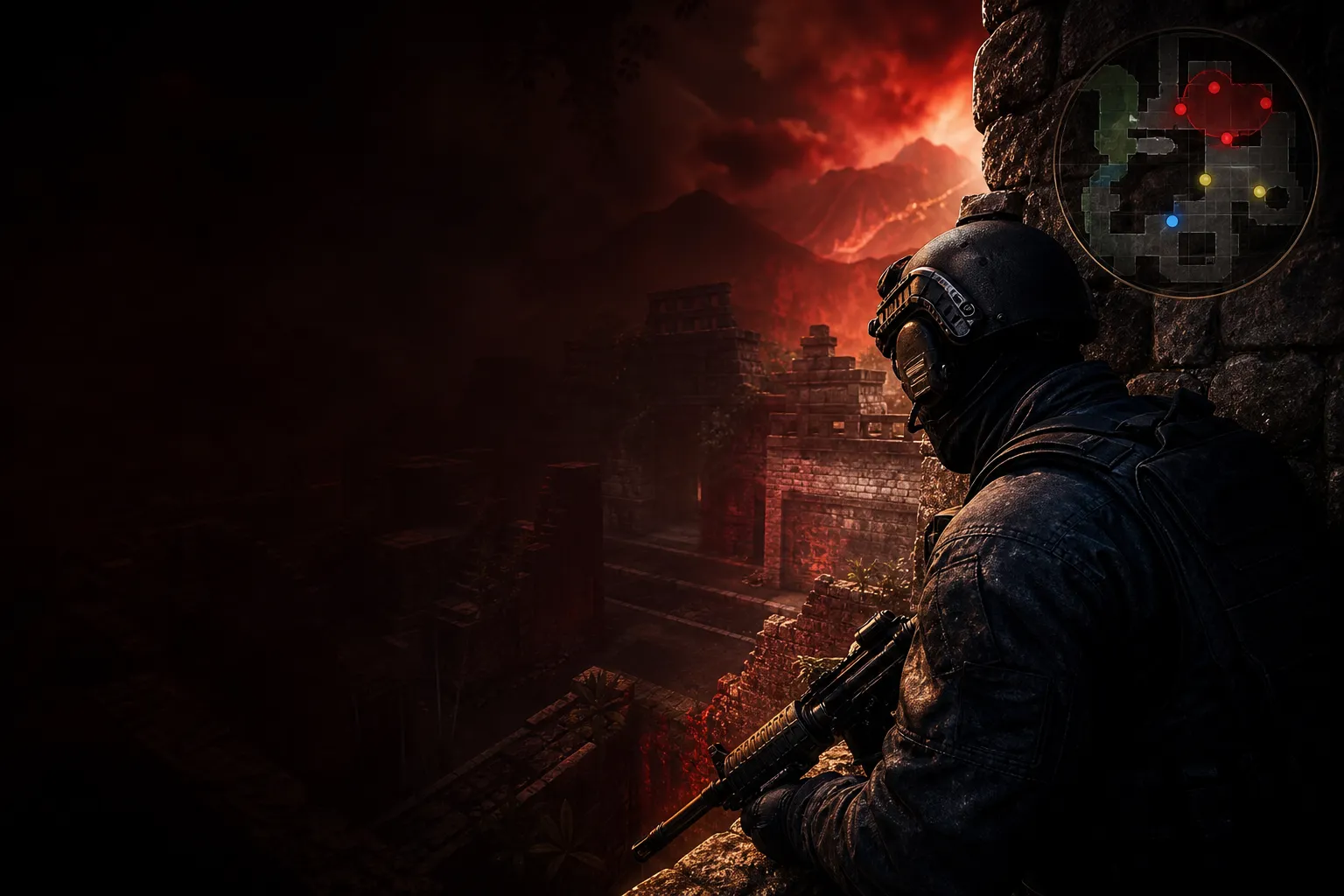
There’s a very specific kind of pain on Ancient: you win the opening mid duel, your rifler gets the first headshot, and then the whole CT side still falls apart like someone cut the support beam. One bad fight in mid, and suddenly A is wide open, B is getting pressure through Cave, rotation timings go to hell, and the round turns into a 3v3 retake with no money behind it. That’s Ancient for you — brutal, fast, and weirdly unforgiving when your mid control is sloppy.
I’ve watched enough Premier games, scrims, and ugly Faceit pugs on Ancient to say this straight: most CT collapses aren’t because the site anchors forgot how to hold crosshairs. They happen because mid is the map’s pressure valve, and the second you lose it, you lose info, tempo, and your ability to rotate without getting punished. In Source 2, with subtick making fights feel cleaner and peekers feeling just a little too alive, that first mid mistake gets amplified. The round’s basically already cracked open.
Ancient’s mid isn’t just mid — it’s the map’s spine
On Mirage, you can lose middle and still play around connector, window, and B apps with some structure. On Ancient? Lose mid properly and the map starts shrinking. A ramp gets easier to split, Cave pressure gets nastier, and the CTs are forced into these awful half-rotations where nobody’s sure if they should help A, hold donut, or sit on lane and pray.
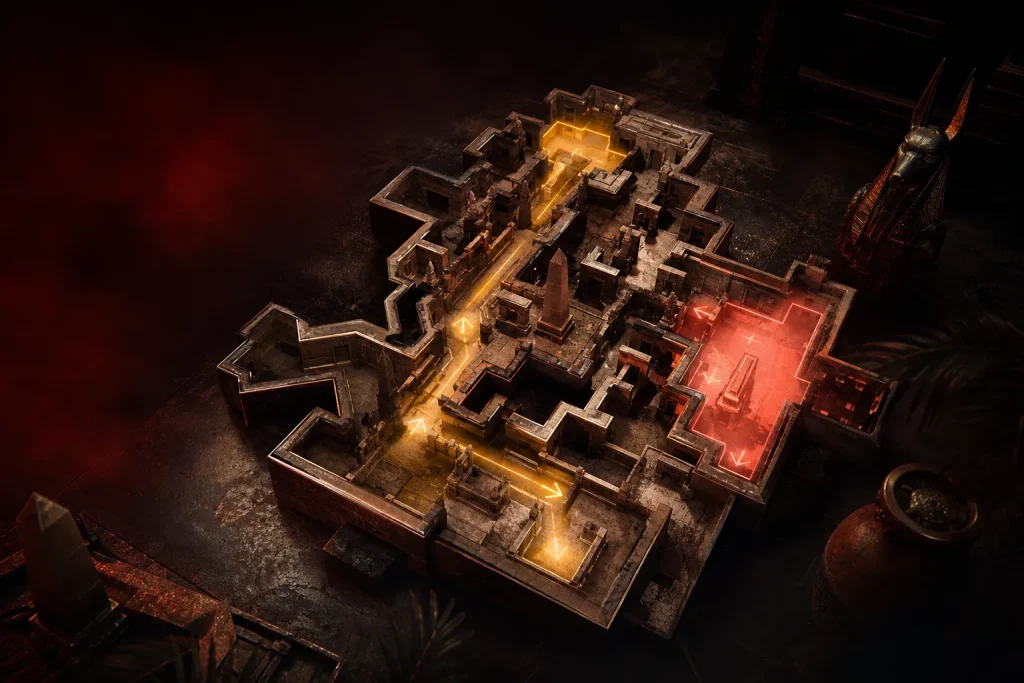
The reason is simple: Ancient is tight, layered, and full of contact points that chain into each other. Mid isn’t some isolated lane where you trade one kill and move on. It connects to:
- Donut timing into A
- Ramp and Squeaky pressure
- Late Cave lurks into B
- CT rotations that have to cross exposed space
That’s why a single death in mid feels like a domino kick. The T side doesn’t need to rush. They can just wait 10 to 15 seconds, show presence, and let the CTs start second-guessing themselves. By the time the rotate comes, the site anchors are already in a 2v4 they never asked for.
The bad mid fight isn’t the kill — it’s the panic after it
People blame the duel itself, but the real damage starts after the duel ends. You lose one mid player and suddenly the CTs do that classic bad-ancient thing where everyone starts over-rotating at once. One guy swings to help donut, another falls back from lane, and now nobody’s holding the space the Ts actually want to walk through.
That’s the collapse. Not the frag. The collapse.
Ancient punishes overreaction harder than almost any map in the pool. If you hard-commit rotations after a lost mid fight, the Ts don’t even need insane aim. They just keep their spacing, clear the close corners, and hit the empty site with utility. A flash over A, a molly on close donut, maybe a smoke to cut off vision, and the round is cooked.
And because Source 2’s smoke behavior is so clean now, the map’s gaps feel more deliberate. You can’t just “sort of” smoke a choke and hope. If mid control is gone and your utility is late, you’re already stuck playing retake simulator.
CT money on Ancient gets wrecked fast
This is the part people forget when they talk about “just hold your spots.” Ancient is economy poison if you keep losing mid fights in the wrong rounds. A CT team on a bad buy path can go from a workable setup to forced pistols in two rounds flat.
Here’s the ugly version:
- You lose a rifle and an AWP in mid.
- Someone saves armor and a deagle like it’s going to save the half.
- Next round becomes a mixed buy, maybe one M4 at $3,100, a couple of FAMASes at $2,050, and not enough nades to actually fight for space.
- Then the Ts hit you with a proper default, and you’re dead before round 9 even starts.
That’s why Ancient CT sides feel like they “collapse.” They don’t just lose the round. They lose the ability to contest the next one properly. One bad mid duel can cost map control, which costs utility, which costs the next retake, which costs the buy, which costs the half. CS2 economy is still CS economy — brutal, old-school, and completely uninterested in your feelings.
By the time you’re on a $2,400 force with no kit and two flashes, the Ts are already sniffing blood. And if they know how to play the map, they won’t even force the issue. They’ll keep poking mid until you break again.
Good Ancient teams don’t “hold mid” — they keep it annoying
Here’s the part that separates strong CTs from teams that look decent until they queue a real squad. The best Ancient sides don’t try to win mid with one heroic peek. They make mid miserable for the T side every single round.
Think of what teams like Vitality or G2 do on maps they understand deeply: they don’t rely on a single defender winning a dry 50/50 all half. They layer timings, they use a second player to punish contact, and they rotate utility based on the T default. The concept is the same on Ancient. Don’t treat mid like a duel. Treat it like a tax.
A decent CT setup usually needs:
- One player who can contest early space without dying for free
- A second body ready to swing off contact
- Utility that actually lands on time, not 6 seconds late
- Info discipline so the site anchors don’t rotate off a rumor
If the first guy dies and nobody trades, that’s a setup problem. If the first guy dies and two CTs sprint into mid with no flash, that’s a decision problem. If everyone starts rotating anyway, that’s just panic, and panic loses Ancient faster than bad aim does.
Why pros make it look easy and your team doesn’t
Watch someone like donk or m0NESY in a high-pressure game and the pattern jumps out. They’re not just winning fights — they’re forcing the enemy into bad map reactions. When Spirit or G2 take space, it’s clean because every move has a follow-up. The CTs can’t collapse after one duel because the spacing and utility are already covering the next layer.
That’s the stuff you don’t see when you’re getting farmed on Ancient in Premier around 19,000 CS Rating. A good team understands the difference between giving up a kill and giving up the round. s1mple used to live off that understanding on old Mirage and Dust2 setups: if the trade wasn’t there, the CT side was already in trouble. Ancient is even harsher because the map has less room to recover from a mistake.
And at top level events like the Major, teams punish that hesitation immediately. One cracked mid timing, one missed flash, one late rotate, and the whole defense ends up playing in a space it didn’t prepare for. That’s why Ancient still looks so chaotic on broadcast even when the team structure is good — the map rewards decisiveness, but it punishes blind decisiveness even harder.
How to stop the collapse before it starts
If you actually want Ancient CT rounds to hold together, stop thinking about mid as a solo duel and start treating it like a shared responsibility. Dry-peeking mid because you “feel confident” is how you feed the T side a free opening. Worse, it trains your team to rotate emotionally instead of logically.
Fix the basics first:
- Trade mid on purpose, not by accident.
- Keep one player close enough to deny space, but not so deep that he dies alone.
- Don’t over-rotate off a single footstep.
- Save utility for the first contact, not the last 12 seconds.
- Use the kill feed like a map, not a panic alarm.
And if you’re the mid player, stop ego-swinging every round like it’s 2021 pug Dust2. Ancient rewards patience way more than bravado. Hold the angle, get the info, and let your second player do his job. If you take the fight, make sure someone can actually trade you — because if nobody can, you’re not defending mid, you’re donating it.
Ancient CT sides don’t collapse because the map is random. They collapse because one lost mid fight exposes how thin the whole setup really was. So next time your side gets cracked open after a single duel, ask the real question: did mid actually fall, or did your team just stop being disciplined the second it mattered?