

The Best Solo Queue Roles for Climbing CS Rating Fast

If you’ve ever queued up at 11 p.m., won pistol, lost the anti-eco, got save-called on round 3, and still somehow ended up top fragging while your team argued about who “should’ve smoked CT,” you already know the truth: solo queue in CS2 is not about playing the prettiest role. It’s about picking the role that prints rounds when nobody’s coordinating, the kind of role that lets you drag a messy lobby toward a win even when the comms sound like three people talking through a microwave.
Climbing CS Rating fast isn’t about chasing highlight clips either. It’s about stacking low-ego, high-impact rounds on Source 2’s subtick system, converting the ugly 2v4s, and making sure your impact doesn’t depend on some random Mirage mid lurker deciding to turn on his brain. If you want rating, you need agency. Simple as that.
The best solo queue role is the one that starts rounds, not waits for them
The strongest solo queue roles are the ones that let you make the first meaningful decision. That usually means entry, secondary entry, aggressive rifler, or a CT-side anchor who can actually stabilize a site instead of hiding and praying.
Why? Because passive roles rely on structure, and solo queue barely has structure. You can’t count on your IGL. You can’t count on perfect utility. You can’t even count on your AWP to buy armor half the time. So the roles that climb fastest are the ones with direct influence on round pace and round trade value.
At 13-12 in Premier, one good swing can be the difference between +120 rating and another miserable overtime loss. That’s the currency here: impact per round, not “supporting the team” in some abstract, feel-good way.
Entry fragger: best if you’re sharp and selfish in the right way
Entry is still king for solo queue if you’re comfortable taking fights. Not brainless W-keying — actual entrying. You’re the guy turning a static round into space, and in CS2 that matters even more because subtick makes first-bullet timing feel brutally honest. If your crosshair placement is bad, you get exposed immediately. If it’s good, you can bully entire map control zones.
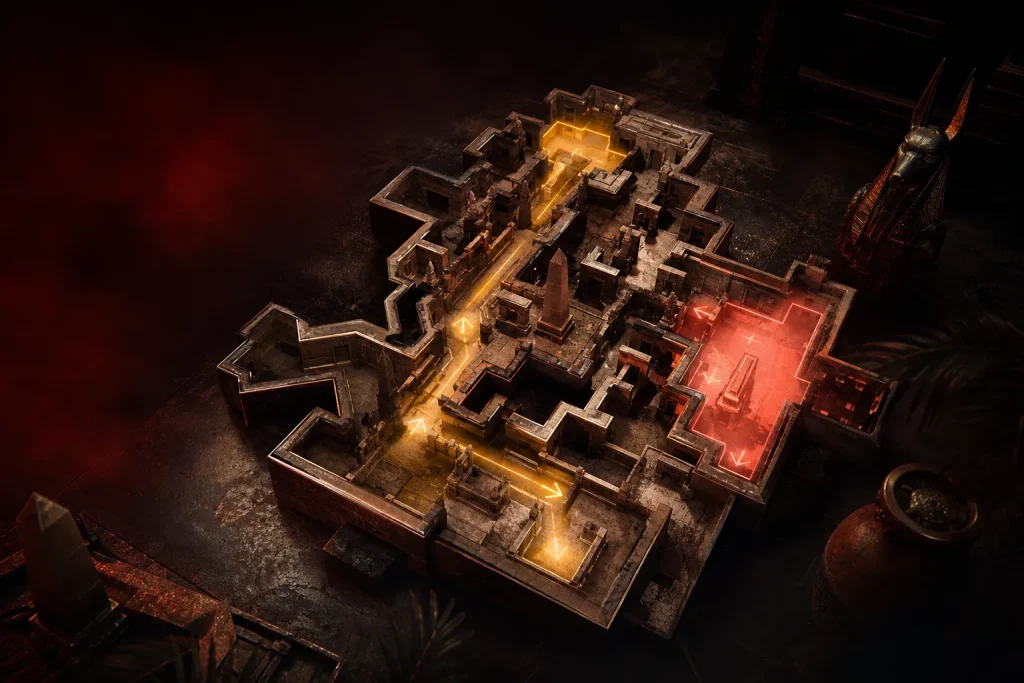
Think Mirage A ramp, Inferno banana, Ancient mid, Anubis B main. These spots are built for someone willing to take the first duel and force a response. Even if you die, you’ve done the hard part: you made the enemy spend utility, revealed positions, or forced a rotation.
- Best maps: Mirage, Inferno, Ancient
- Best guns: AK-47, Galil, MAC-10 on T side when you’re broke
- Best mindset: “I’m making space, not padding K/D”
The big upside? Entry fragging scales with your aim. If you’re feeling good, you can absolutely hard-carry games. The downside is obvious: if your mechanics dip, your value drops fast. Still, for climbing CS Rating, that’s a fair trade. You’d rather control the round than sit there hoping someone else starts it.
Second man in: the sneaky best solo queue role nobody talks about
If I had to pick the most underrated role for solo queue, it’s second entry. Not as glamorous, but way more reliable. You’re not the first one through the smoke — you’re the guy cleaning up the trade, punishing the overpeek, and turning chaos into a 2v1. That role wins stupid amounts of rounds because solo queue players love getting overconfident after the first contact.
This role feels especially strong on maps like Nuke and Overpass, where fights chain together fast and spacing matters. You can’t always trust your team to flash properly, but you can trust yourself to be in the right place two seconds after the first duel breaks open.
People love talking about s1mple’s impossible openings or donk’s raw mechanics, but most solo queue climbing is way less dramatic. It’s more like: trade your teammate on Banana, clear coffins, grab the bomb, finish the round. Repeat 18 times. Boring? Maybe. Effective? Absolutely.
CT-side anchor: the role that saves hopeless halves
On CT, the best solo queue role is often anchor — especially if you’re calm and good at surviving impossible rounds. A good anchor on B site Mirage, A site Ancient, or B on Inferno can completely wreck an enemy team that’s expecting free bomb plants. You’re not chasing every fight. You’re making the enemy pay for every inch.
That means staying alive when it matters, using your util on time, and not giving away free deaths at 1:40. In CS2, with the economy still built around $3,250 loss bonus max and armor/kit purchases being tight as ever, one saved rifle or one denied plant can swing the whole half. A lot of players throw that away by pushing like they’re in a highlight reel from a Major.
Great anchors don’t need 30 kills. They need two things: discipline and timing. You hold your smoke, you don’t panic spam every shadow, and you know when to fall back to retake instead of dying alone for nothing. That’s how you farm winning rounds in solo queue without begging for a 5-stack.
Why lurker is bait in most solo queue games
Lurker sounds sexy until you realize solo queue lurkers spend half the match waiting for information nobody will ever give them. In a coordinated team, it’s solid. In random Premier? It’s often just a fancy way to be late for every fight.
Sure, there are maps where a real lurk matters — Mirage connector, Inferno apartments timing, Anubis mid pressure. But if your team doesn’t understand why you’re off on an island, you’re just splitting attention while the rest of your squad dies in a five-man hit. That’s not value. That’s chaos with good vibes.
I’d avoid hard-committing to lurk unless you’re already clearly better than the lobby and can read the game like a book. Most players below roughly 20k CS Rating should probably just take the role that gives them repeatable contact and trade chances.
The guns and decisions that actually matter when you’re solo
Role matters, but your buy logic matters just as much. If you’re taking solo queue seriously, you need to stop making “nice guy” buys that ruin the next two rounds. Too many players force a M4 after a lost rifle round, then complain when they’re on a Galil against AKs two rounds later.
Here’s the rough rule that works in actual games:
- CT rifles: buy full armor + utility when you can, but don’t half-buy yourself into a dead round.
- T side: if the team’s broke, the MAC-10 or Galil can be better than pretending you’re rich.
- Force rounds: only if the bomb plan makes sense. A 5-tech-9 miracle round is not a plan.
- Eco control: save one gun if the round is lost. A preserved AK can swing the next buy phase hard.
That’s the stuff that stacks wins while everyone else is arguing about whether the new smoke on Dust2 should be thrown from Xbox or short. The player who understands economy usually climbs faster than the player who thinks pure aim will carry every lobby. Aim gets you kills. Economy gets you rounds.
What the top players would do in your lobby
Watch enough pro CS2 and the pattern gets obvious. m0NESY doesn’t spend every round waiting for someone else to create an opening — he creates one. ZywOo isn’t passive because he’s afraid of risk; he’s passive because he knows exactly when the round is worth breaking open. donk? He’s a walking example of why confident space-taking can break a defense before it settles.
Now, your solo queue lobby isn’t the semifinal of a Major. You’re not playing on stage at Katowice with 200 people screaming behind you. But the same logic applies: the players who affect the first 20 seconds of the round usually control the rest of it. That’s why entrying and second entrying are so strong for climbing CS Rating fast. They let you decide the tempo instead of reacting to it.
Even after the Source 2 switch and all the arguing about subtick, the core truth hasn’t changed. The best solo queue roles are the ones that give you repeatable pressure. If your role only works when everyone else behaves perfectly, it’s probably a trap.
Pick the role that lets you bully the round
If you want the cleanest path up the ladder, don’t overthink it. Play entry if your aim is hot and you can live with dying first. Play second entry if you want the safer version that still farms trades. Play anchor on CT if you’ve got patience and a sense for when rounds are actually lost. Skip the fake-support fantasy unless you’re in a stack that understands what you’re doing.
Solo queue rating climbs come from pressure, not politeness. If you can take space, convert fights, and stop giving away stupid deaths, you’ll rise faster than the guy who tries to be useful in every round and ends up being useful in none of them.
So next time you queue up for Mirage or Inferno, ask yourself one thing: are you playing the role that wins the round, or the role that looks nice on the scoreboard?