
The Hidden Power of Jiggle Peeks in CS2 Subtick Duels

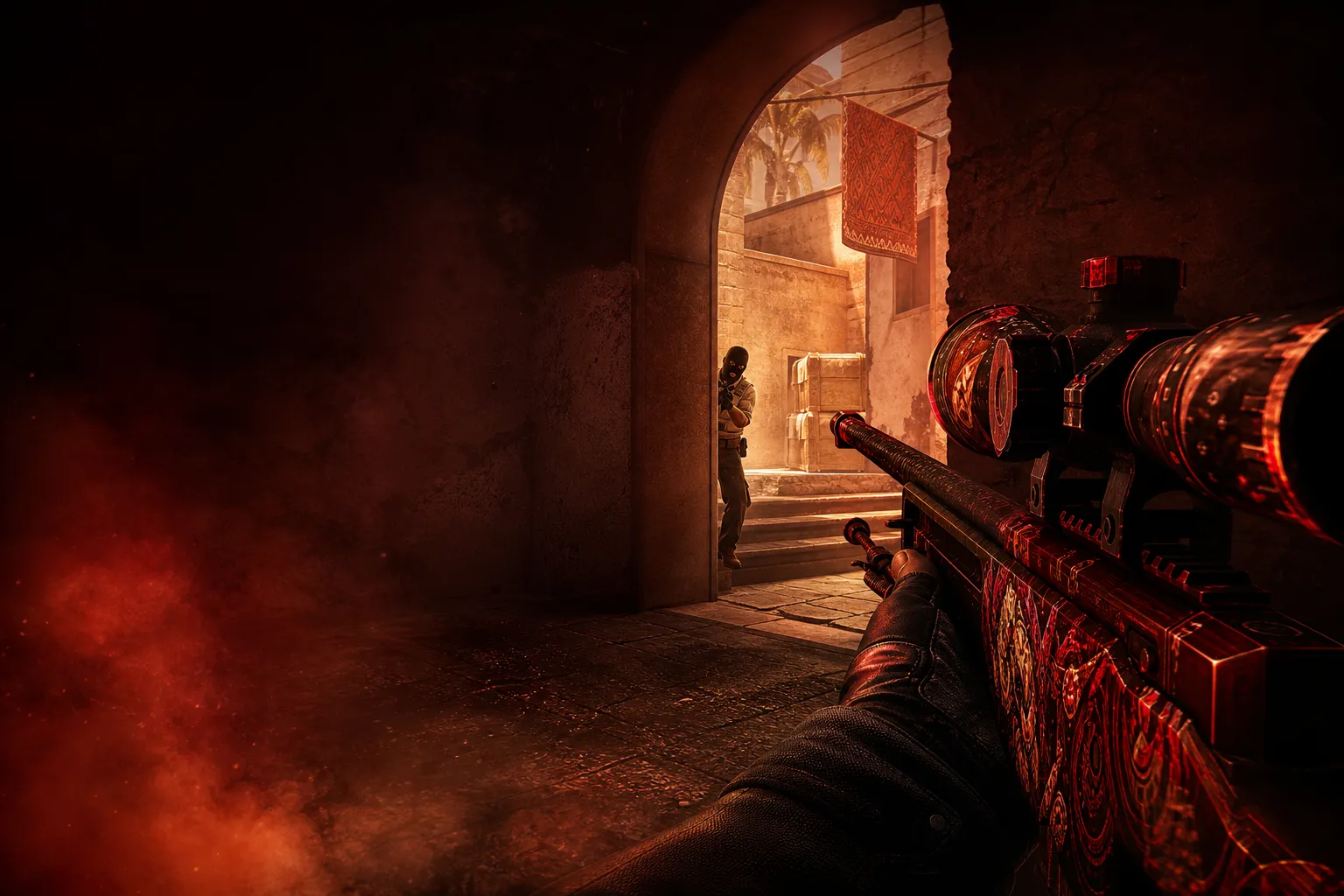
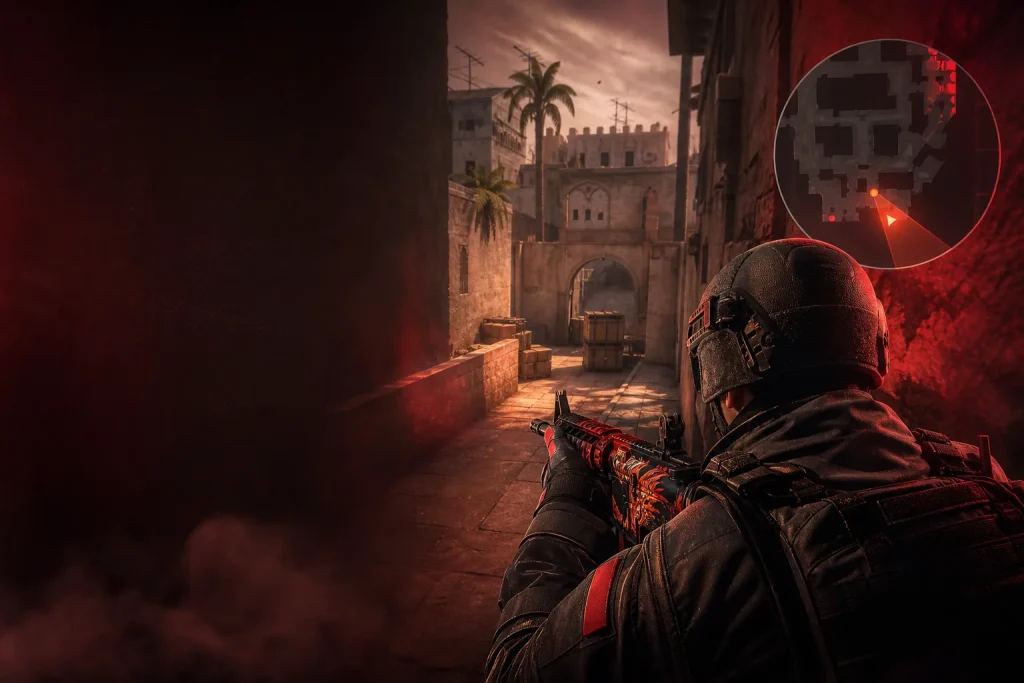
You’ve seen it a thousand times: a guy shoulder-peeks Banana on Inferno, baits the AWP shot, and the whole round flips off a 0.2-second twitch. That little wiggle isn’t flashy, but in CS2’s subtick fights it might be the cleanest way to make a rifler look way better than he actually is.
Jiggle peeks are one of those mechanics that never really die. Source 2 changed the feel, subtick changed the timing game, and somehow the same old shoulder bait still ruins players who think holding a pixel angle is a personality trait. If you’re losing duels to wide-swing addicts or getting farmed by an AWP on Mirage Cat, the fix isn’t always “aim better.” Sometimes it’s just learning how to make the other guy shoot first.
Why jiggle peeks still matter in CS2
CS2 changed the way fights feel, not the basic truth of Counter-Strike: information wins rounds. A jiggle peek is really a tiny information trade. You show just enough of your model to pull a shot, spot a shoulder, or catch a rifle holding a one-and-done line, then you’re gone before they get a clean punish.
That matters more now because subtick makes inputs feel more immediate, but it doesn’t delete latency, human reaction time, or bad discipline. A lot of players still think “subtick” means every duel is fair and perfectly crisp. It isn’t. If your peek forces an enemy to decide in 180 ms, and they panic-spray or flinch-shot a frame late, you’ve already won the exchange mentally.
And that mental edge is massive. A player holding Halls on Ancient or CT at Nuke Heaven wants certainty. Jiggle peeks strip that away. You’re basically telling them, “Guess wrong and I get the free kill later.”
The part most players mess up
Bad jiggle peeks are usually just tiny wide swings in disguise. People lean too far, stay visible too long, or re-peek on the exact same rhythm every time. Then they wonder why they get deleted by an AK burst or a Deagle tap from a guy who’s been waiting for the second peek all round.
The biggest mistake is treating a jiggle like a duel instead of a probe. You’re not there to fight. You’re there to make the angle expensive for the other team.
What a clean jiggle actually does
- Draws out AWP shots.
- Checks if a rifle is posted.
- Burns utility timing.
- Gives you sound and positioning info.
- Sets up the real peek that comes after.
That last part is the one everyone forgets. The jiggle itself doesn’t win the round. The follow-up does. If you peek once, get info, and then hit the same angle with a teammate’s flash 2.5 seconds later, now you’re actually playing Counter-Strike instead of just wiggling at a wall.
Subtick made timing feel cleaner, but not safer
Old-school players love to argue about tick rate like it’s the whole religion. Sure, 64-tick matchmaking was always janky, and 128-tick faceit got worshipped for years because the gunplay felt tighter. CS2’s subtick system sits in this weird middle place: your action timing is more faithful than old 64-tick ever was, but peeks still live and die on spacing, movement, and who sees who first.
That’s why jiggles are so nasty in CS2. The mechanic benefits from subtick’s cleaner input registration, especially when you’re doing micro-movements near cover. You don’t need to fully commit to a swing just to check if someone’s holding connector on Mirage or crossing from Ivy on Train. You can expose a sliver, bait the scope, and disappear.
But don’t get cute and think subtick is some magic shield. If you jiggle too predictably, a sharp AWP like m0NESY or ZywOo will just hold the edge, wait for the second shoulder, and punish you the moment your timing gets lazy. That’s the thing pros are absurdly good at: they don’t just see angles, they read habits.
How to actually jiggle peek without throwing your life away
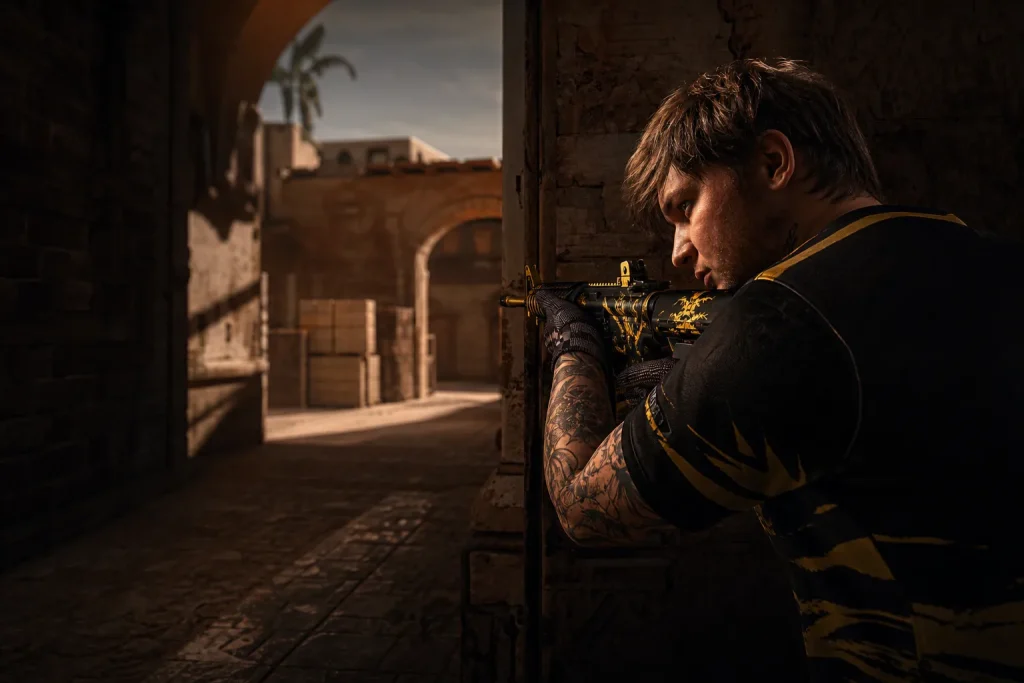
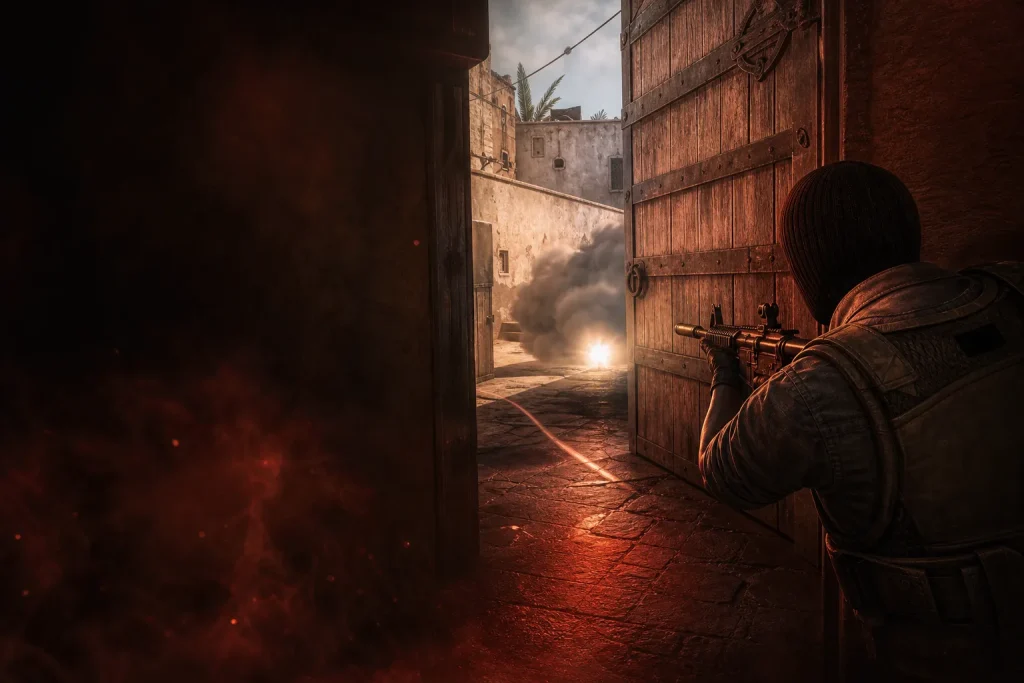
The clean version is boring, which is probably why bad players avoid it. You’re hugging cover, showing only the edge of your model, and using mouse movement plus counter-strafe to snap back behind the wall. You’re not trying to out-strafe a demon. You’re trying to be annoying in a controlled way.
Here’s the basic rhythm I’d use:
- Start behind cover with your crosshair already placed.
- Tap out just enough to expose shoulder or chest.
- Instantly snap back.
- Watch for the shot, tracer, or scope movement.
- Repeat only if the timing changes.
That last point matters. If you jiggle at exactly the same pace three times in a row, you’re basically asking to get counter-peeked. Mix it up. One fast check, one slower bait, one pause where you just stand still for a beat and make them second-guess. That pause can be dirtier than the actual peek, especially against impatient AWPers on Dust2 Long or Overpass Monster.
Also, stop doing this while moving like a lost bot. Counter-strafing still matters. If you’re peeking from Ticket on Mirage, your stop-start needs to be crisp or you’ll turn a good bait into a missed shot and a corpse. CS2 has softened some movement edges, but sloppy movement is still sloppy movement.
Where jiggles win rounds in real matches
Watch any big event — a Major, IEM Cologne, whatever — and you’ll see top teams use jiggle peeks to control space before they commit. It’s not just “dry peek and pray.” It’s the little fight before the fight. Teams use it to force utility, gather info, and make rotates awkward.
Inferno is the obvious example. Jiggle Banana, and suddenly the CTs have to respect a possible flash-molly combo. Jiggle top Mid on Mirage, and you can tell if an AWP is holding Window or if the rifler in Connector is asleep. On Ancient, a tight jiggle around Donut or Cave can tell you if the defenders are leaning hard into the site. On Nuke, it’s brutal for finding out whether Upper is stacked or if the outside player is cheating in toward Secret.
The pros make this look easy because they’re not just peeking; they’re layering peeks with team info. s1mple made a career out of punishing tiny mistakes in angle discipline. donk is a monster because he’ll take that same info and instantly turn it into a violent swing. ZywOo? He’s the king of making you feel safe and then taking your head off when you finally get greedy.
And yeah, that’s the meta now. Not every fight has to be a raw aim duel. Sometimes the best round is just three clean jiggle peeks, a burned smoke, and a fake that drags the CT economy into the mud. Saving one rifle matters when the other team’s on a $2,400 buy and your side can force with an AK, one flash, and a smoke that costs $300.
Stop peeking like it’s 2018
The old habits are still everywhere: wide swing every angle, dry peek every AWP, hope the server feels nice. That stuff dies fast against decent players. CS2 rewards sharper timing, but it also punishes lazy habits harder because everyone’s aim training now, everyone knows their spray, and everyone’s seen the same Mirage clips ten thousand times.
Jiggle peeks are powerful because they make the enemy do work before you do. They force reactions. They expose sloppy crosshair placement. They let you play ugly, smart CS instead of ego-CS. And honestly, ego-CS is why half of Premier is stuck at 11k rating complaining about “bad hitreg” while holding W into an AWP.
If you want the hidden power of jiggles, use them like a weapon, not a twitch. Probe the angle. Read the shot. Call the rotate. Then hit the real peek when the other guy’s already committed to being wrong.
So ask yourself the next time you’re staring down a tight angle on Anubis B or Mirage Connector: do you actually need to swing, or do you just need to make him blink first?