
CS2 Premier Rating Traps That Make Good Players Tilt


You know the feeling. You’ve got 24 kills, you’re topping the scoreboard, and somehow your Premier match still feels cursed because your team just donated three gun rounds in a row. That’s the thing about CS2 Premier Rating: it doesn’t just reward skill, it punishes every tiny bit of bad decision-making harder than most players expect. One bad buy, one ego peek into an AWP, one round where somebody decides a 2v2 is actually a solo mission — and suddenly your rating is bleeding.
Premier makes good players angry because it exposes the stuff MM used to hide
Old CS:GO matchmaking let a lot of nonsense slide. Premier, especially in Source 2 with subtick and the tighter economy pressure, is much less forgiving. You can frag out like donk and still lose because your side can’t string together two clean buys. That’s why so many solid players tilt in Premier: they assume raw mechanics should carry more weight than they actually do.
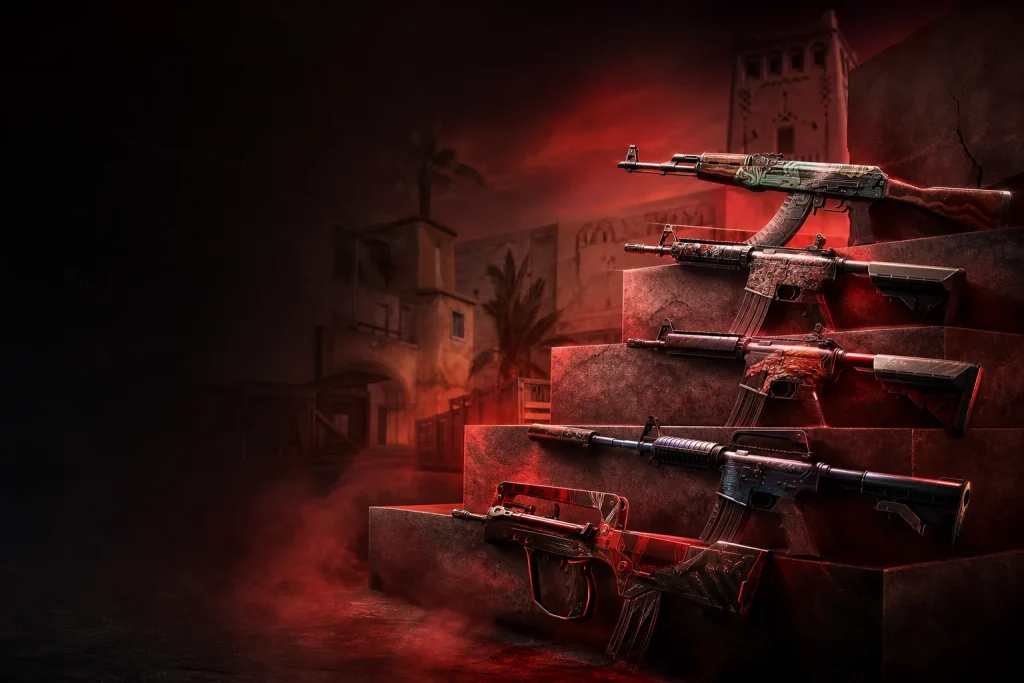
It’s not just about aim. It’s about the tiny stuff that piles up fast — bad resets, sloppy trade spacing, and buying at the wrong time when your team’s sitting on $2,150 and one rifle half-buy from disaster. If you’re 8-6 on Ancient but your side keeps forcing into MP9s and Galils with no utility, the rating system doesn’t care that you “played well.” It cares that the round count got away from you.
The classic rating traps that turn calm players into keyboard miners
There are a few Premier traps that hit almost every decent player at some point. Some are tactical. Some are pure ego. All of them are annoying as hell.
- The hero buy on 2-0. Your team wins pistol and second round, then someone with $5,600 decides a Deagle, armor, and one flash is “fine.” It isn’t. You’ve got a rifle round coming, and now your economy is weird for no reason.
- Chasing exits like it’s Deathmatch. Saving one AK on Inferno is better than losing it and giving CTs another clean eco conversion. Yet people still sprint into Banana with 12 seconds left because they want one more kill.
- Taking solo duels after a man advantage. Up 4v3 on Mirage? Great. Now stop peeking Connector one by one like you’re farming clips for TikTok.
- Forcing after a plant loss. You lose a post-plant on Nuke, you’ve got $2,900, and three players want to force MAC-10s into full armor. That’s how you turn one bad round into three.
The maddening part is that these mistakes don’t even feel huge in the moment. They feel “reasonable.” That’s the trap. Good players tilt because they can see the line from the mistake to the lost round before the round’s even over.
Source 2 made timing cleaner, which made bad habits uglier
Subtick was supposed to make the game feel cleaner, and honestly, on the mechanical side, it mostly does. But cleaner timing means your bad habits show up faster. In older builds, people could talk themselves into nonsense like “I was a frame late” or “the spray felt off.” In CS2, especially after the early patches and the years of meta adjustments, the truth usually sits right in front of you: you were late, you overpeeked, or you bought at the worst possible moment.
That’s why Premier can feel harsher than old CS:GO ranking ever did. A player can have great raw mechanics and still lose rating because the game is basically asking, round after round, “can you make the boring correct play?” And a lot of people hate that question.
It’s the same reason pros like ZywOo or m0NESY can look unkillable in the same situations where ranked players fall apart. They’re not doing magic. They’re just not giving away the free stuff. They know when to take space, when to sit on an angle for six seconds, and when a 50/50 swing is just bad CS.
Economy mistakes are the fastest way to waste a 20-bomb
If you want a truly reliable way to lose Premier Rating while still topping the board, screw up the economy. Seriously. Nothing kills morale faster than winning a pistol, losing the force, and then seeing three teammates buy half-armored FAMASes while the fourth guy saves a naked M4 because “someone has to keep money.” That’s not structure. That’s panic with a spreadsheet.
Here’s the money reality most tilted players don’t want to hear: in CS2, a clean 2-round conversion after pistol can set the tone for the whole half. If you break your own economy on round 4 or 5, you’re basically handing the enemy a reset. On MR12, that hurts even more because there are fewer rounds to recover.
A few economy habits that quietly tank rating:
- Buying full utility when three teammates can’t afford rifles.
- Refusing to save on a lost round because “we can maybe make it expensive.”
- Forcing after a CT-side loss with only $1,900 and no defuse kit plan.
- Ignoring bonus rounds, which is insane on maps like Ancient and Inferno where SMGs can farm money if you play them right.
People love talking about aim differential. Sure. But there’s a reason the best teams at Majors don’t just sprint around buying random stuff. Watch how teams at Copenhagen or Shanghai manage their losses and bonus rounds — the discipline is ugly, repetitive, and incredibly effective.
Map traps: Mirage ego peeks and Ancient silence are both rating killers
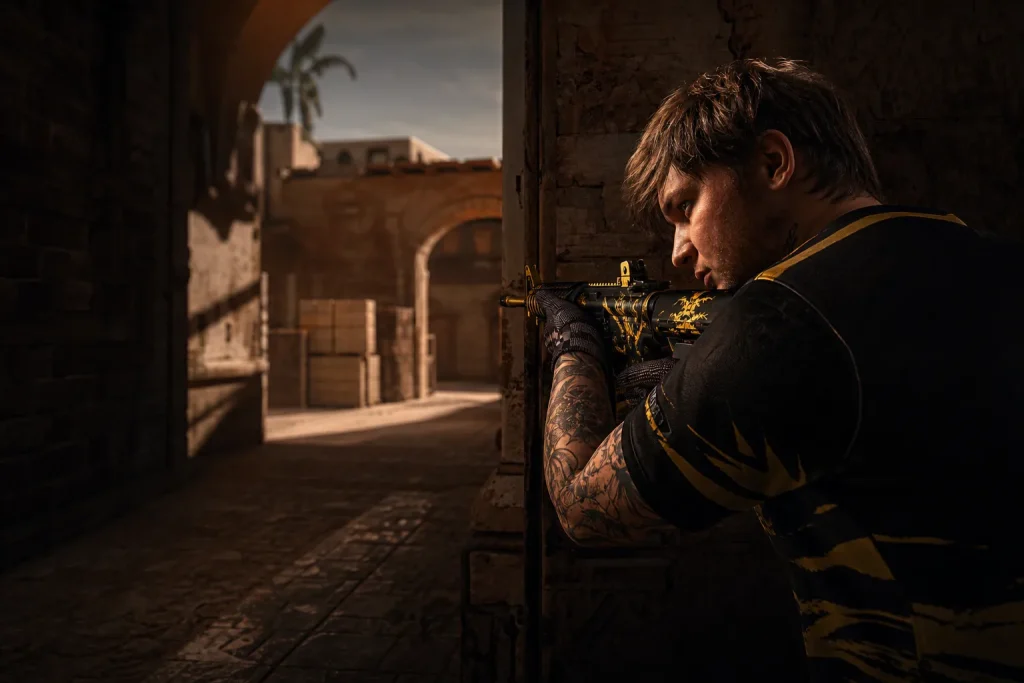
Some maps are just better at exposing bad habits. Mirage is the obvious one. Everyone thinks they understand it, which is exactly why it turns into a highlight-reel graveyard. Mid control gets treated like a personal insult, Connector becomes a suicide lane, and people still dry-swing A ramp like s1mple isn’t holding the angle with a 0.2-second punish ready.
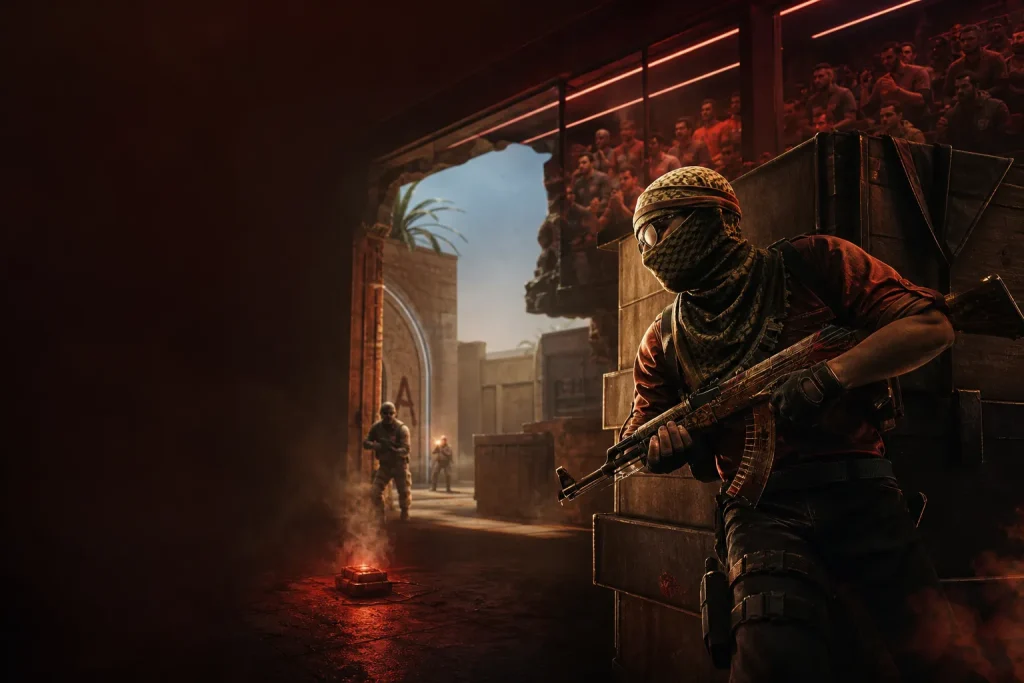
Ancient is a different kind of headache. The map rewards patience, spacing, and utility timing, but Premier players get bored and start taking fights through temple smoke or dry peeking donut when they’ve already got map control. That’s how you throw away a round that should’ve been a free rotate.
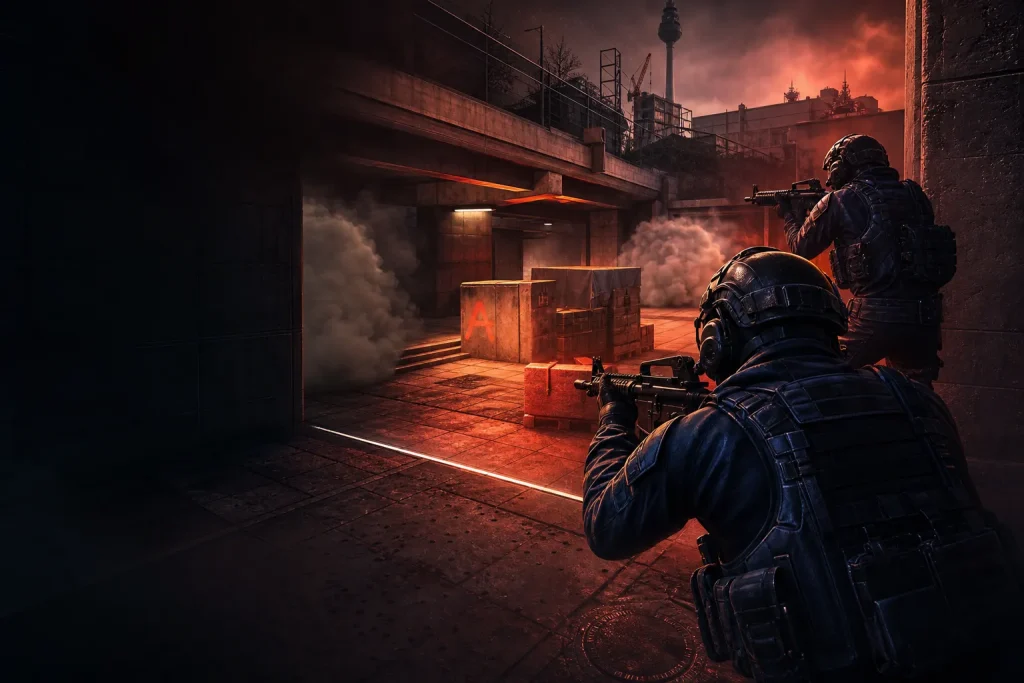
Then there’s Nuke, which is basically a stress test for ego. If your team doesn’t respect outside control, upper site gets pinched, lower becomes impossible to retake, and everyone starts yelling about “bad rotations” when the actual problem was the 10-second lobby stack that gave away the round for free.
And don’t even get me started on Inferno Banana fights in low-mid rating. Half the lobby thinks a 100 HP duel for sandbags control is worth burning two flashes, a smoke, and a molly. Sometimes you just need to give up a bit of space and stop pretending every round is a YouTube ace.
The little mistakes that tilt the best players
These are the ones that really get under your skin because they’re so avoidable:
- Calling “save” too late.
- Not dropping a kit on CT side.
- Standing in the open while your teammate is already committed to the retake.
- Taking the same duel three rounds in a row and acting shocked when the enemy pre-aims it.
They don’t look dramatic on a demo. They feel awful in real time.
How to stop letting Premier Rating mess with your head
People treat tilt like it’s some mysterious psychological curse, but most of the time it’s just repeated exposure to preventable mistakes. If you want to keep your rating from turning into a personal grudge match, you need a few hard rules.
First: stop judging every round by your kill count. A 31-kill loss on Dust2 means less than a 17-kill win where you won the right rounds, saved the right gun, and didn’t throw away the economy. Premier Rating tracks winning, not your ego.
Second: call the round before the buy phase ends. If your team’s on $2,400 each and you’re debating a force on the T side of Vertigo, settle it fast. Hesitation kills more rounds than bad aim does.
Third: if you’re tilted, play simpler CS. Trade. Hold. Save when the round is dead. The boring stuff is where rating actually gets built, and it’s why the guys who stay calm tend to climb while the loud ones stay stuck in the same bracket, blaming subtick, teammates, or whatever patch note they decided was ruining their life that week.
Premier doesn’t really trap good players with mystery. It traps them with their own habits, the ones they keep trying to justify after every painful loss. So the real question is simple: are you actually playing for the round, or just for the stat line?