
Why Mirage Mid Control Still Wins More Rounds in CS2

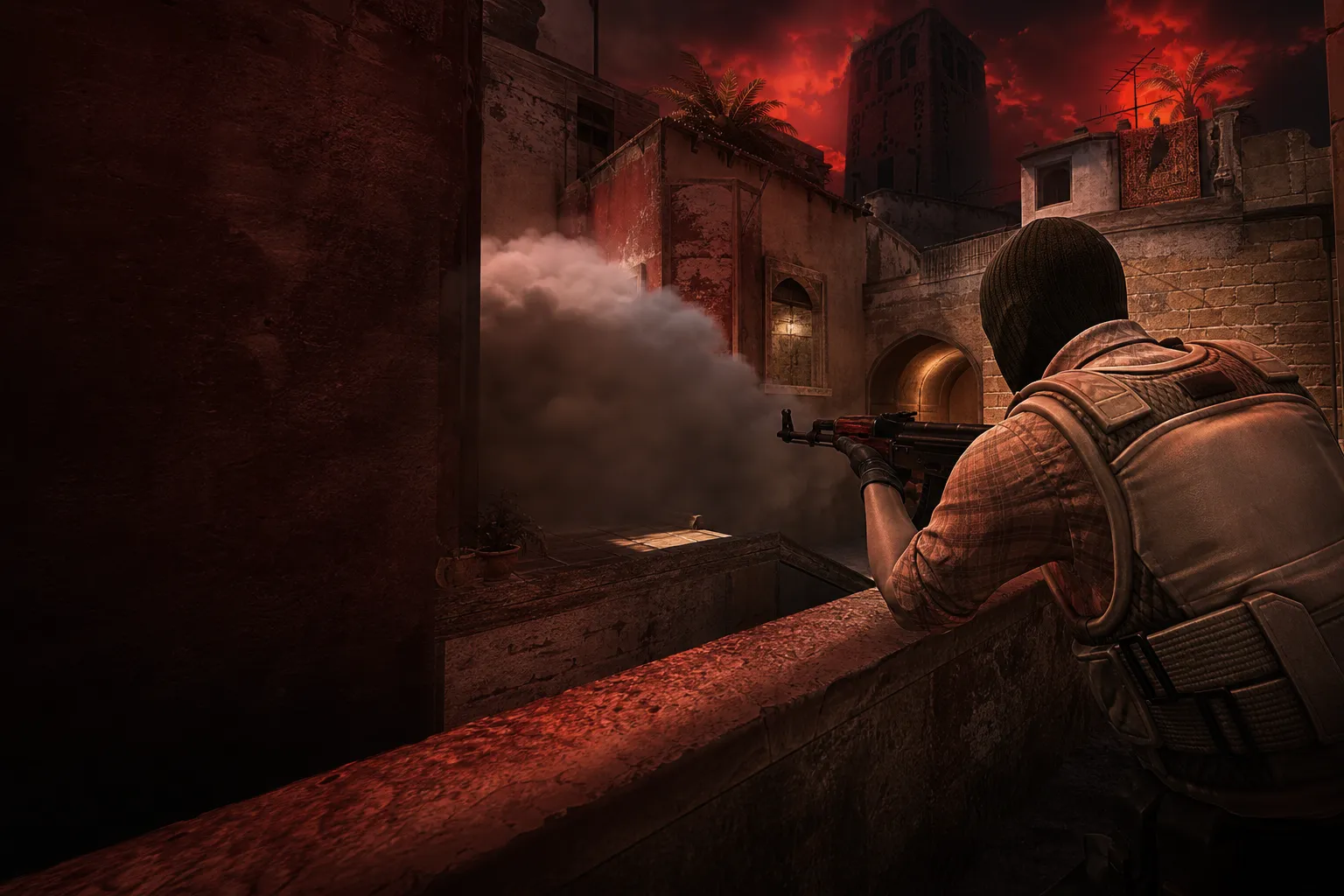
Mirage mid control wins rounds because it decides who gets to play Counter-Strike first. If you take window, connector pressure, and top-mid space, the map starts bending your way. If you give it up for free, you’re basically asking the CTs to stack A and farm your hit through a choke point.
That’s the ugly truth on Mirage in CS2. The map still looks simple on paper, but in a subtick game where first contact happens faster than your brain can process, mid is where round plans either get clean entry points or die in a heap. A lot of teams can throw five people at A ramp and pray. The good teams? They use mid to make the CT side uncomfortable, split sites, and force rotations before the real execute even starts.
Mid isn’t just a lane, it’s the map’s steering wheel
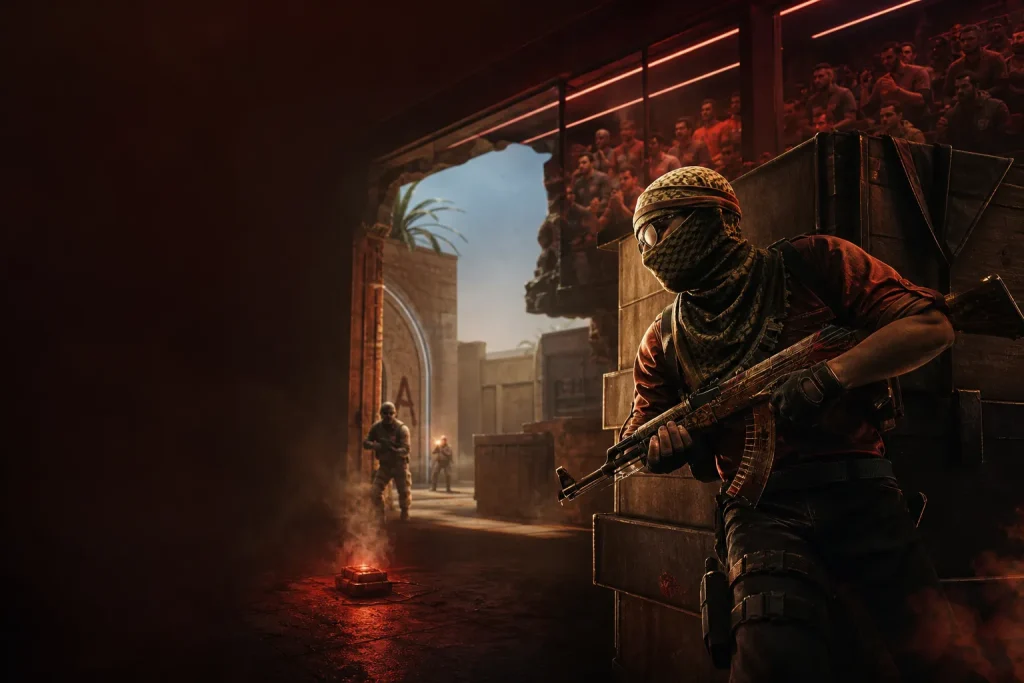
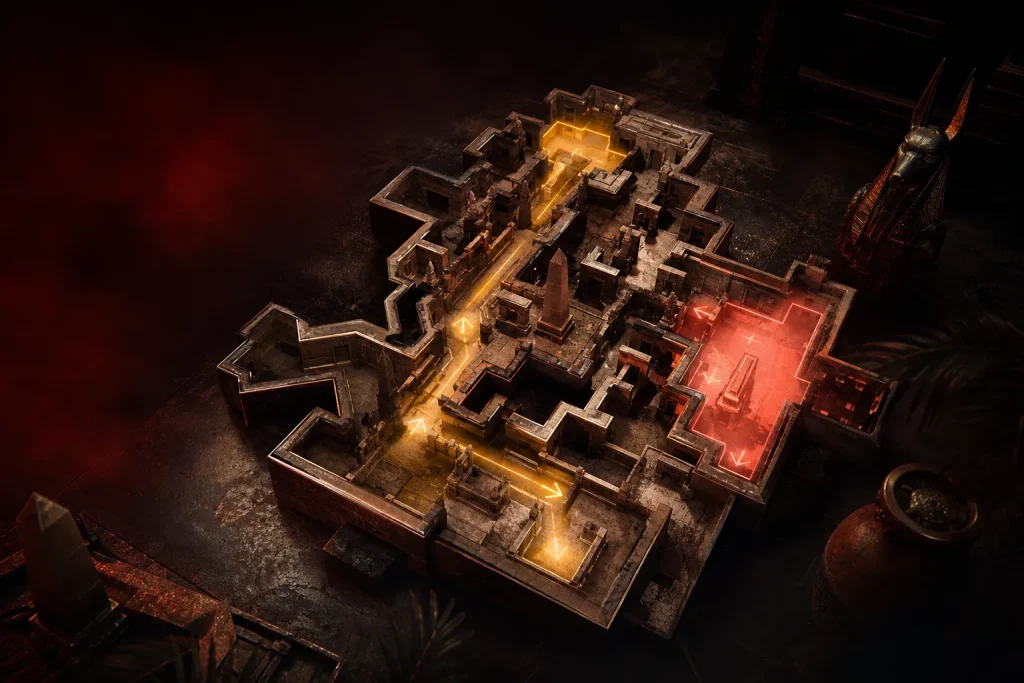
Mirage mid controls everything. Window gives you info. Connector gives you the A split. Catwalk turns into a free route if CTs get shoved off top mid. Even a tiny gap in mid control changes how the round plays. That’s why you see pro teams treat it like a first-class objective instead of some side quest before the “real hit.”
When T side owns top mid, the CTs can’t just sit in their default comfort spots. A Mirrage defense without mid pressure gets lazy fast: one player underpass, one connector, one window, maybe an A anchor holding ramp, and suddenly the map is split three ways before the bomb’s even spotted. You don’t need some galaxy-brain strat to exploit that. A simple smoke, a flash, and a player posted on cat can do more damage than a full five-man execute with no info.
What mid control actually gives you
- Connector pressure. That’s the real prize. Once connector is threatened, A site starts feeling thin.
- Window denial. If the CT AWPer can’t see top mid, your T side gets freedom to move.
- Faster splits. Mid to B through connector and short to A both become live threats.
- Economy damage. CTs burn utility early, and that matters when a full buy is $4,750 plus armor and nades.
That economy piece gets ignored way too often. A CT side that has to spam window, re-smoke connector, and throw extra HE or incendiary damage just to keep mid stable is already paying a tax. In a best-of-three at a Major, that tax shows up in round 18 when someone’s buying a Galil instead of a rifle because they had to overreact for six straight rounds.
CS2 made mid fights feel even more honest
Source 2 changed the feel of Mirage in ways you notice instantly if you’ve got enough hours on the map. The subtick system means your peeks, counter-strafes, and first bullets matter in a way that feels brutally exact. If your mid player swings window late, he’s dead. If your connector lurker is half a beat behind the flash timing, he’s dead too. No mystery. No fake excuses.
That’s why mid control has aged so well in CS2. It rewards crisp timing more than cute gimmicks. You can’t just rely on weird old CS:GO timing abuse and hope the server blesses you. The team that clears underpass properly, has a flash ready for top mid, and knows when to stop fighting and just hold space usually comes out ahead.
And yes, the subtick stuff makes the duels feel sharp enough that a single pixel advantage on cat or window can snowball the whole round. That’s also why the classic Mirage mid opening—smoke window, flash over top, probe underpass, then pressure connector—still works. It’s not flashy. It just respects how CS2 actually resolves fights.
The pros keep proving it on the biggest stages
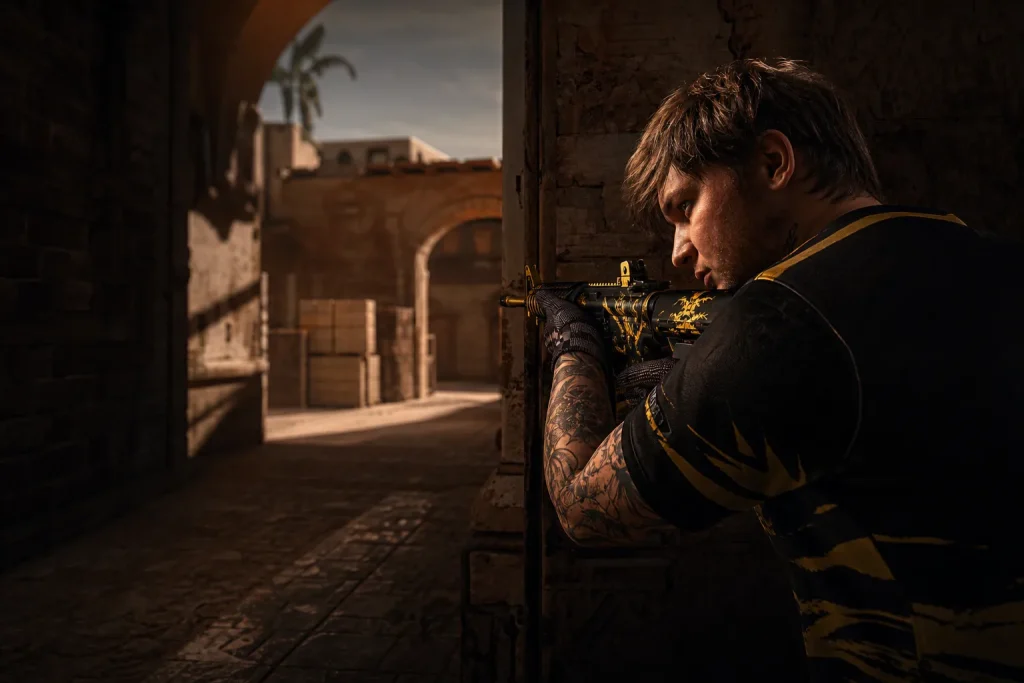
Watch any serious Mirage from a top event and mid control keeps showing up as the quiet backbone of the round. s1mple made a career out of punishing teams that gave him room around connector and window. ZywOo doesn’t need mid chaos every round, but when Vitality gets clean map control, he turns it into pressure everywhere else. donk, on the other hand, plays like a guy who wants your mid denial to fail immediately and then wants to farm the rest of the round off the back of that panic.
MOUZ and NAVI have both leaned into layered Mirage defaults at big events because the map rewards structure. You don’t always see the highlight play in mid, but you see the effect: CT rotations get delayed, the A anchor gets isolated, and the B player starts staring at his mini-map wondering where the hit is coming from. That’s the whole point.
Mirage also keeps surviving patch cycles because the map is old enough to be understood and flexible enough to keep changing at the player level. Valve can tweak smokes, adjust visuals, or tighten the feel of movement all they want, but the core truth stays the same: if one side owns mid, they control the tempo of the round.
How good teams actually take mid
Mid control isn’t one guy dry peeking window and hoping for a clip. Good teams stack tiny advantages until the CT side cracks. Sometimes that means a fast top-mid burst with a flash over, sometimes it means a slower underpass lurk to pinch connector, and sometimes it’s just showing presence until the CT AWPer gets annoyed and reposts badly.
Here’s the basic shape of it:
- Smoke window or force the CT to use utility early.
- Flash over top mid so the first duel isn’t clean for the defender.
- Hold underpass timing so connector can’t rotate freely.
- Use catwalk pressure to make A site think twice before stacking jungle and stairs.
- Convert the space into a split, not a hero play.
That last part matters. Too many Premier stacks win one mid duel and then overstay, and then the round falls apart because nobody actually turns the map control into site pressure. In CS Rating terms, that’s the difference between playing like a 24k team and playing like a group that just learned Mirage on Tuesday. Space is only good if it becomes a kill, a plant, or a rotation pull.
Why random queues still lose to mid control
In Premier, especially around the 15k to 22k range, Mirage often turns into a mess of solo peeks and late-round panic. One player wants to go underpass, another wants to lurk B apps, and the third guy already smoked jungle for no reason. Meanwhile, the CTs are laughing because they’ve got eyes on mid and can rotate off info instead of guessing.
That’s why mid control wins more rounds than flashy site hits. It reduces guesswork. It creates two-site pressure from one area. And it forces the defending side to spend utility they’d rather keep for the last 30 seconds of the round, which is exactly where Mirage gets ugly for them.
If you’re wondering why so many teams still build their entire mid default around one smoke and a couple of timed flashes, that’s the reason. Mirage punishes impatience. The map rewards the side that makes the other team react.
Why Mirage mid still matters when everyone thinks they’ve solved it
People act like Mirage is solved because it’s been around forever. That’s nonsense. The names of the plays are old; the decisions aren’t. Every year, teams get better at trading, spacing, and reading rotations, and every year mid remains the cleanest way to break the map open without flipping a coin on a hard exec.
If you want the blunt version: a team with mid control gets better information, safer rotations, stronger split hits, and more economic damage on the CT side. That’s not trendy. That’s just the map doing what it’s always done.
So yeah, if your team keeps forcing A ramp every round on Mirage and calling it a strat, you’re probably donating rounds. Why fight the hardest part of the map when mid is sitting there offering you connector, cat, and half the CT economy on a silver platter?